From Tony N2MFT:
SOLAR FLARES FAVOR THE SOUTH: A new peer-reviewed study in Space Weather shows that the sun’s southern hemisphere has dominated solar flare activity for more than three decades. Researchers found that the northern hemisphere produced most major flares from Solar Cycles 17 through 21--but starting in Solar Cycle 22, the balance flipped. Ever since, the south has been the more active side of the sun. The asymmetry is unmistakable in the flare index record, yet its physical cause remains unknown. Read the full paper here.
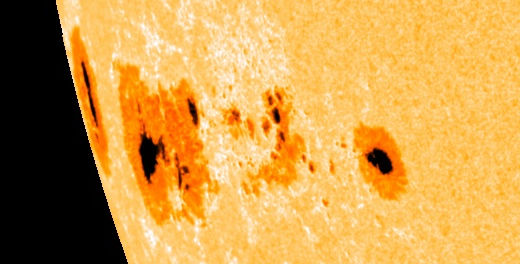
REALLY BIG SUNSPOT ALERT: Yesterday, we issued a big sunspot alert. We were wrong. It's *really* big. This image from NASA's Solar Dynamics Observatory shows the behemoth emerging over the sun's southeastern limb on Nov. 30th:
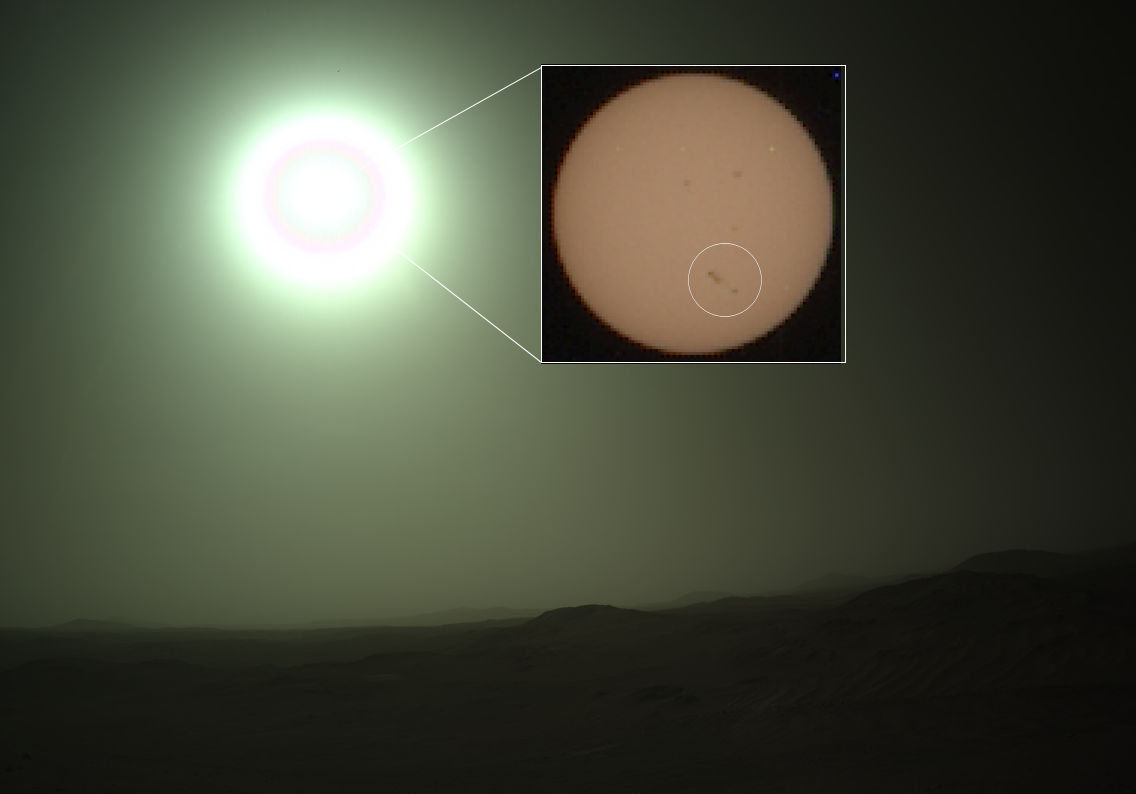
NASA's Mars rover told us it was coming. Last week, Perserverance saw the giant sunspot through a cloud of dust in Jezero Crater. It was only days away from turning toward Earth--and now it is here.
From end to end, the sunspot group measures ~130,000 km, and at least four of the sunspot's primary dark cores are individually larger than Earth. These dimensions make it an easy target for safely-filtered backyard telescopes. If you don't have a solar filter, try this simple projection technique instead.

On Nov. 29th, amateur astronomer Andy Devey watched the sunspot's approach from his observatory near Mojácar, Spain:
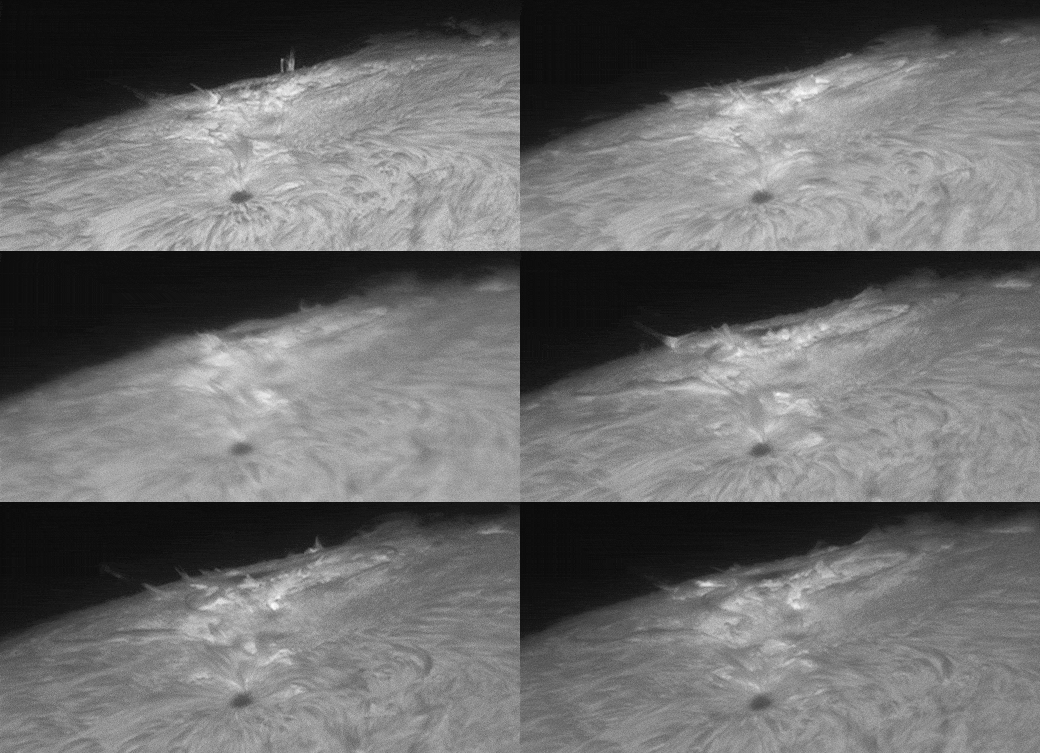
"This is an almost three hour look at the active region rolling around the sun's eastern limb," says Devey. "It was sizzling with C-class solar flares."
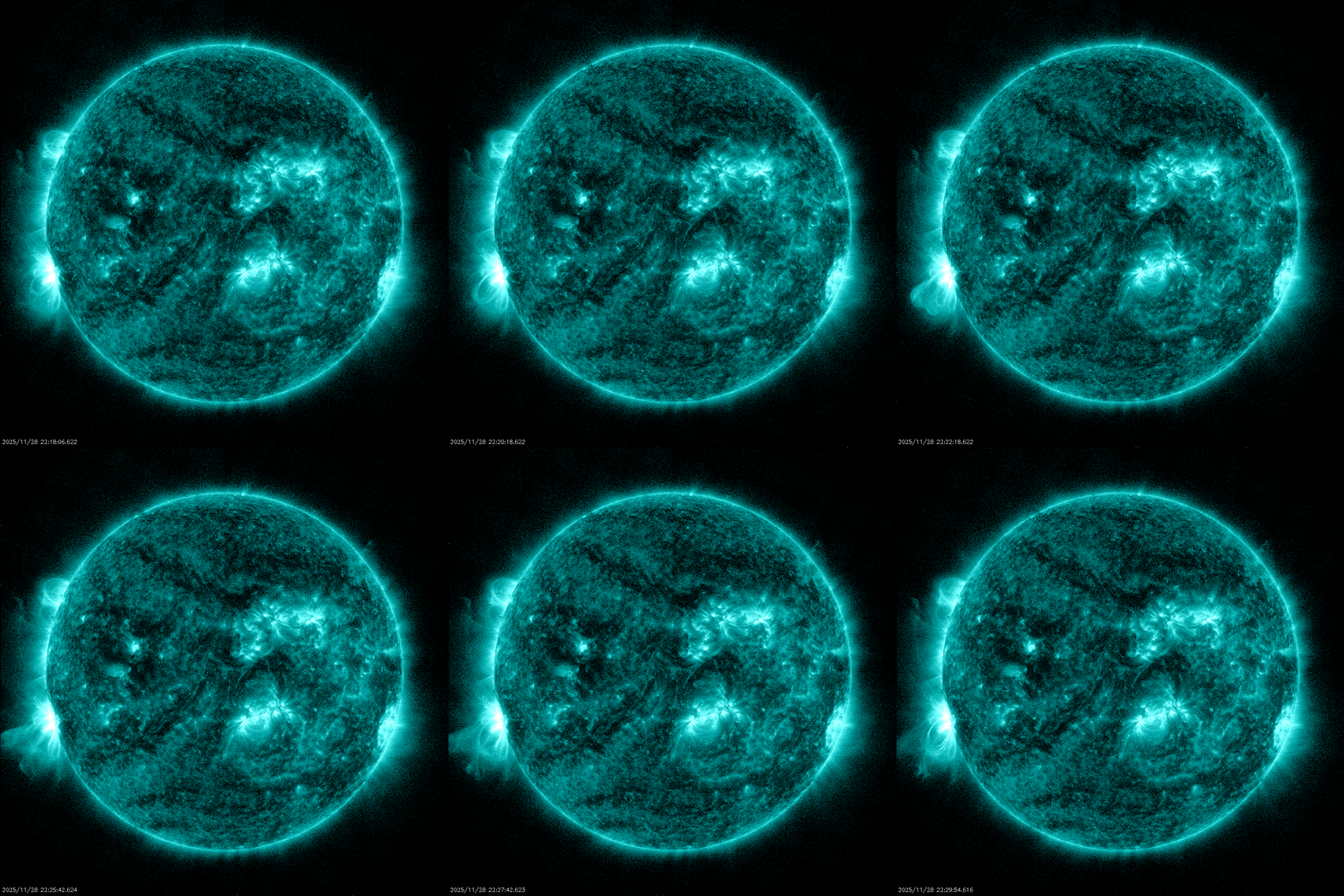
On Nov. 28th, the sunspot produced an M6-class solar flare. However, the blast site was partially eclipsed by the edge of the sun. The flare's true intensity may have been X-class. Now that the sunspot is turning to face Earth, future flares will be geoeffective. Stay tuned! Solar flare alerts: SMS Text.
more images: from David Wilson of Inverness, Scotland; from Shahrin Ahmad of Kuala Lumpur, Malaysia; from Astro Tafelberg of Austria; from Sylvain Weiller of Jerusalem, Israel;