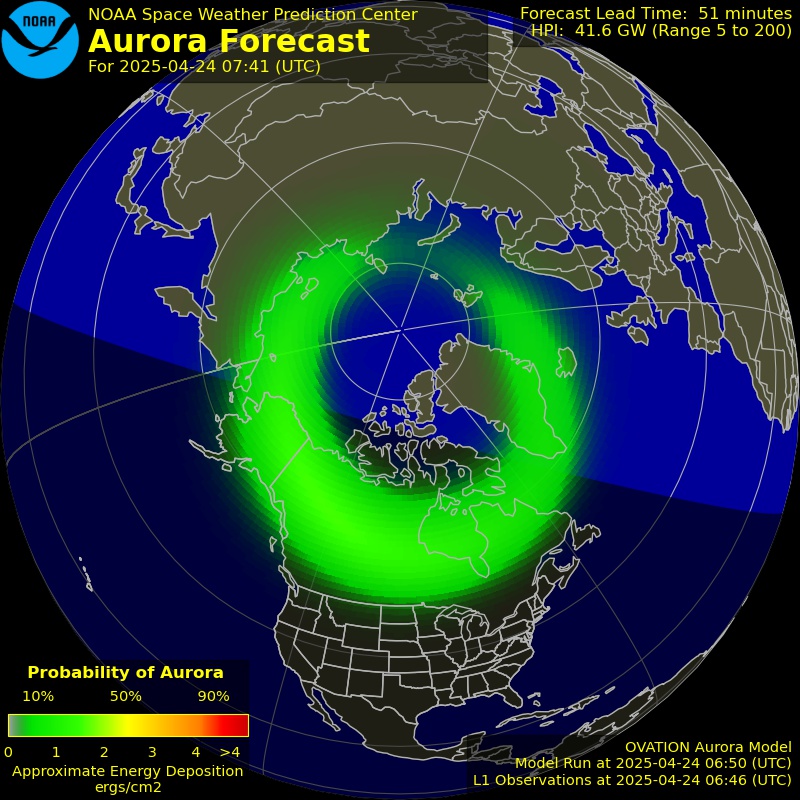
A CME IS COMING: Minor G1-class geomagnetic
storms are possible on Jan. 19th when a CME is
expected to graze Earth's magnetic field. The CME was hurled into space on Jan. 14th by a dramatic twisting eruption in
the magnetic canopy of sunspot AR3182. High latitude sky watchers should be alert for auroras when the CME arrives. CME alerts: SMS
Text.
SO. MANY. SUNSPOTS. Yesterday morning in the Netherlands, Jan Koeman looked at the sun through a Mylar-filtered
telescope, and this is what he saw:
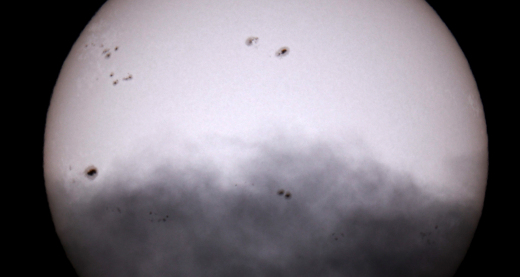
"I can't remember seeing so many sunspots together through the eyepiece of my Celestron C8 in the last 10 years," says Koeman. "Amazing sight! It is winter in the Netherlands, that means plenty clouds and a sun
low above the hedge in my backyard. But the sunspots were peeping through the clouds!"
Indeed, there are a lot of sunspots right now. If sunspot production continues apace for the rest of January, the monthly sunspot number will reach a 20-year high. Contrary to predictions,
Solar Cycle 25 is shaping up to be a good one, after all. Solar flare alerts: SMS Text.
more images: from
Martin Wise of Trenton, Florida; from Howard Eskildsen of Ocala, Florida; from
Pepe Manteca of Begues, Catalunya, Spain; from the Association Astronomique de l'Indre of Le Poinçonnet, Centre-Val de Loire - France; from
Dr. J. Wayne Wooten of Pensacola, Florida
|
Solar wind
X-ray Solar Flares
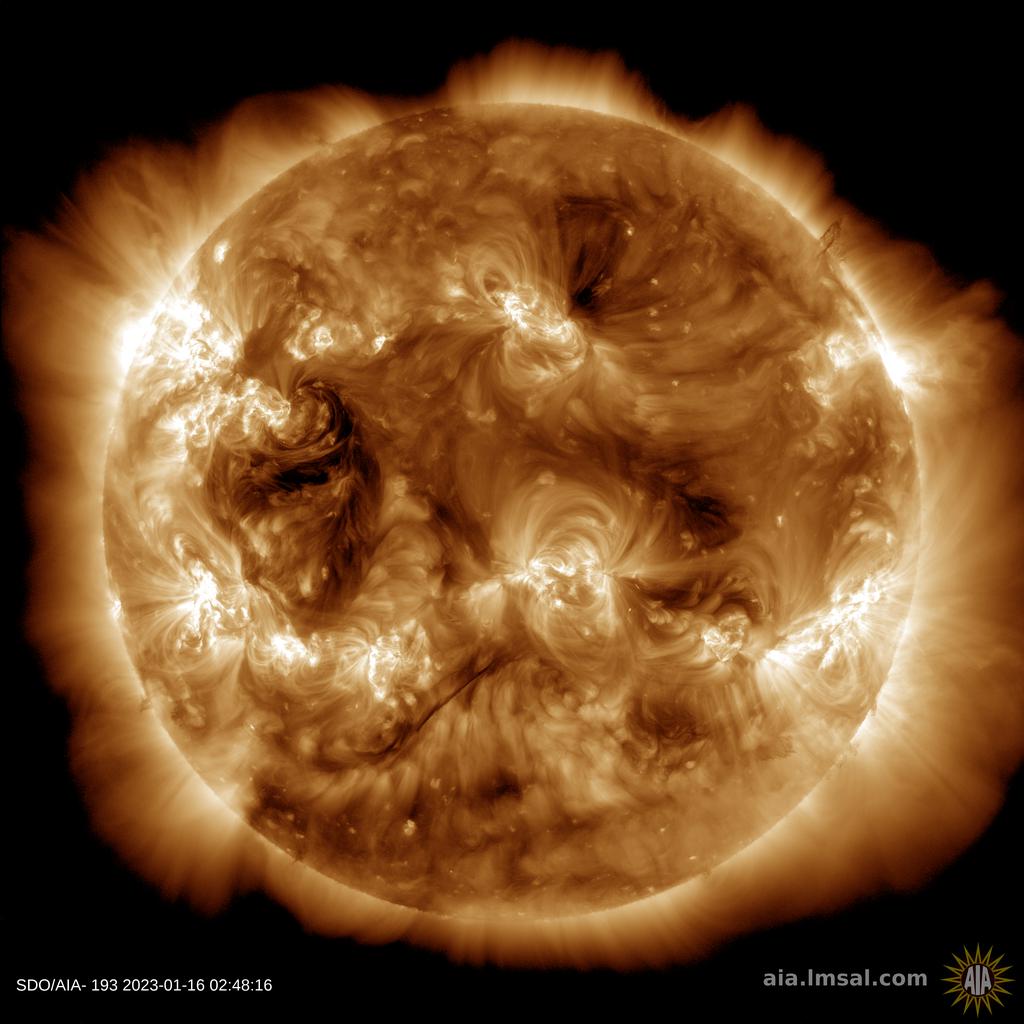
Daily Sun: 16 Jan 23
Sunspot AR3186 has a 'beta-gamma-delta' magnetic field that harbors energy for X-class solar flares. Credit:
SDO/HMI
Sunspot number: 177 The Radio Sun
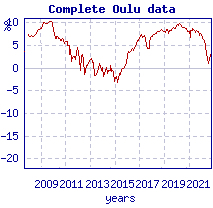
Cosmic Rays Solar Cycle 25 is beginning, and this is reflected in the number of cosmic rays entering Earth's atmosphere.
Neutron counts from the University of Oulu's Sodankyla Geophysical Observatory show that cosmic rays reaching Earth are slowly declining--a result of the yin-yang relationship between the solar cycle and cosmic rays.
Switch to: Europe, USA, New Zealand, Antarctica
Planetary K-index
Interplanetary Mag. Field
Coronal Holes: 16 Jan 23
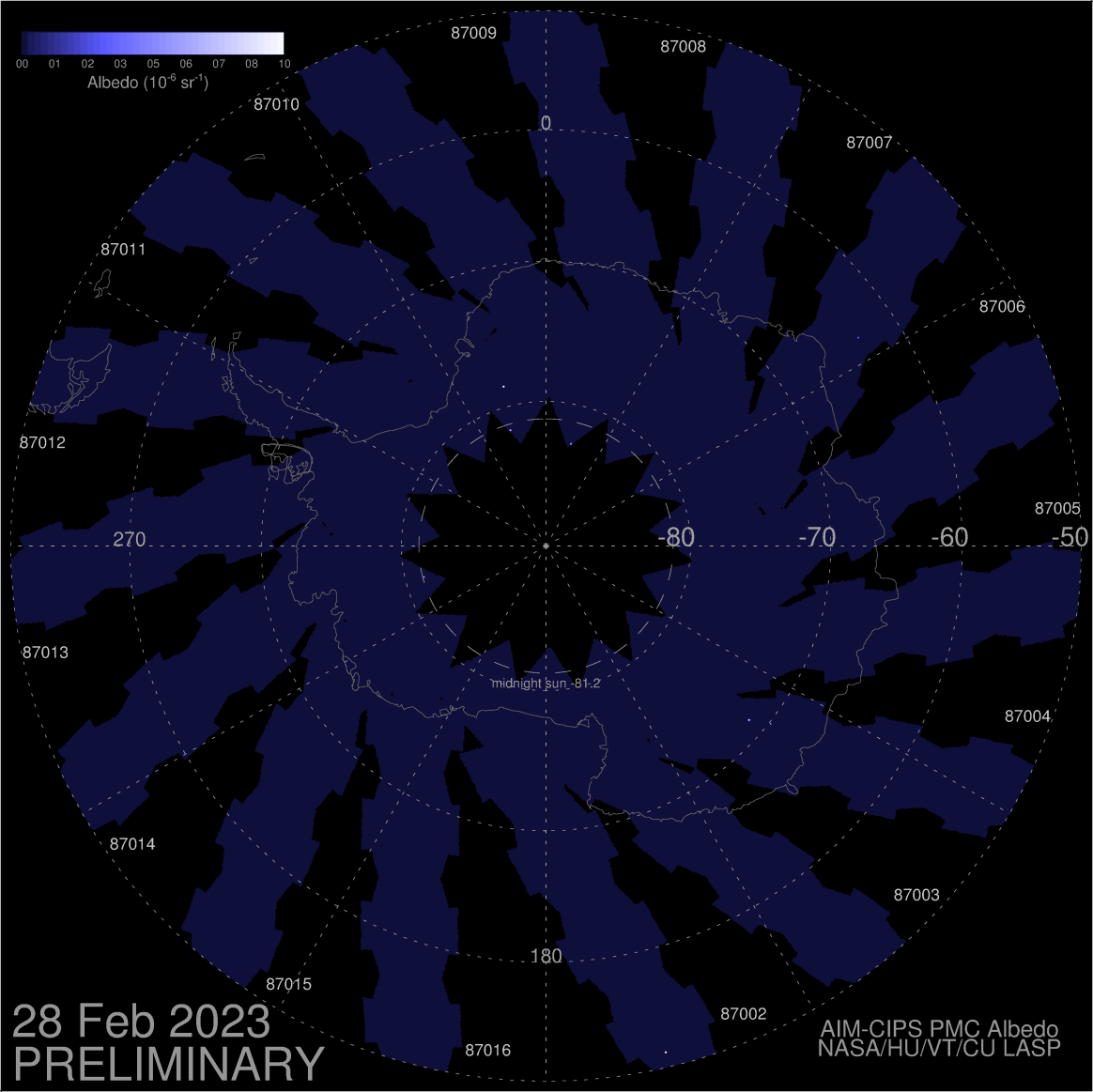
Noctilucent Clouds
Switch view:Ross Ice Shelf, Antarctic Peninsula, East Antarctica, Polar
Updated Jan16
Updated at: 2023 Jan 15 2200 UTC
Geomagnetic Storms:
Updated at: 2023 Jan 15 2200 UTC
Mid-latitudes
High latitudes
|
|








GUD DX
73,
Bill Priakos – W5SJ
19417 Gulf Boulevard
Indian Shores, FL 33785
479.461.8368
